

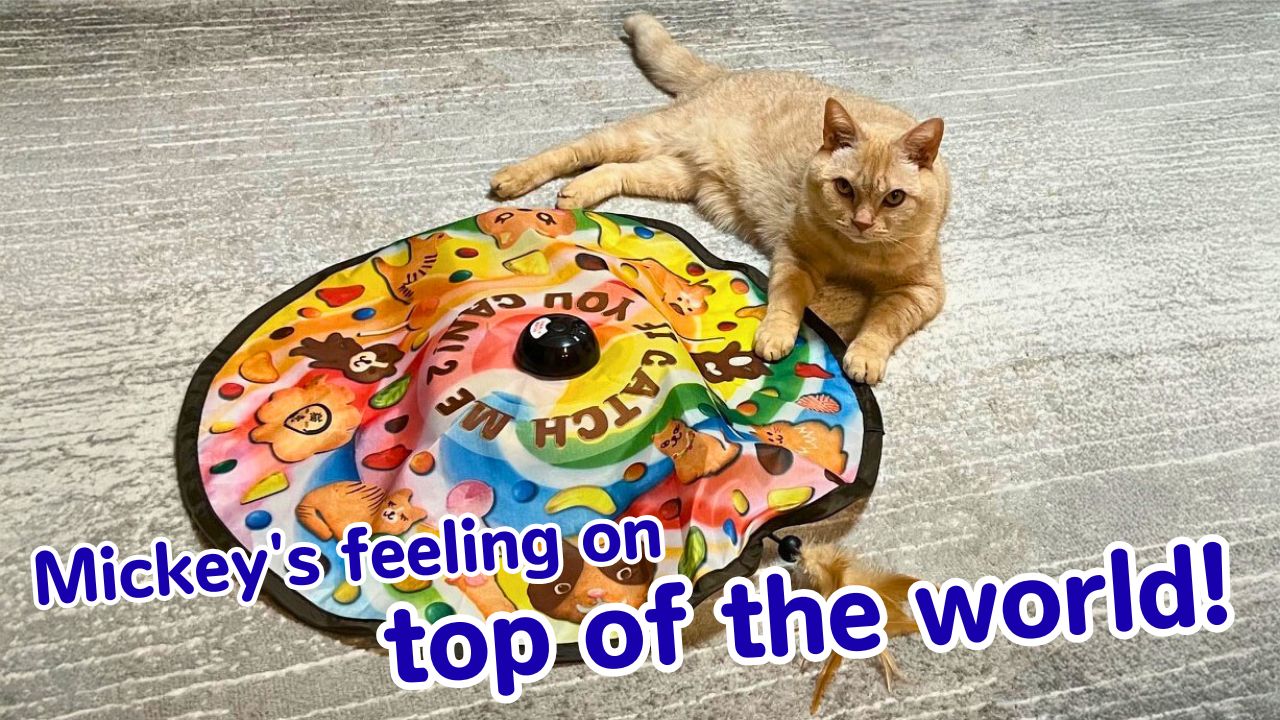
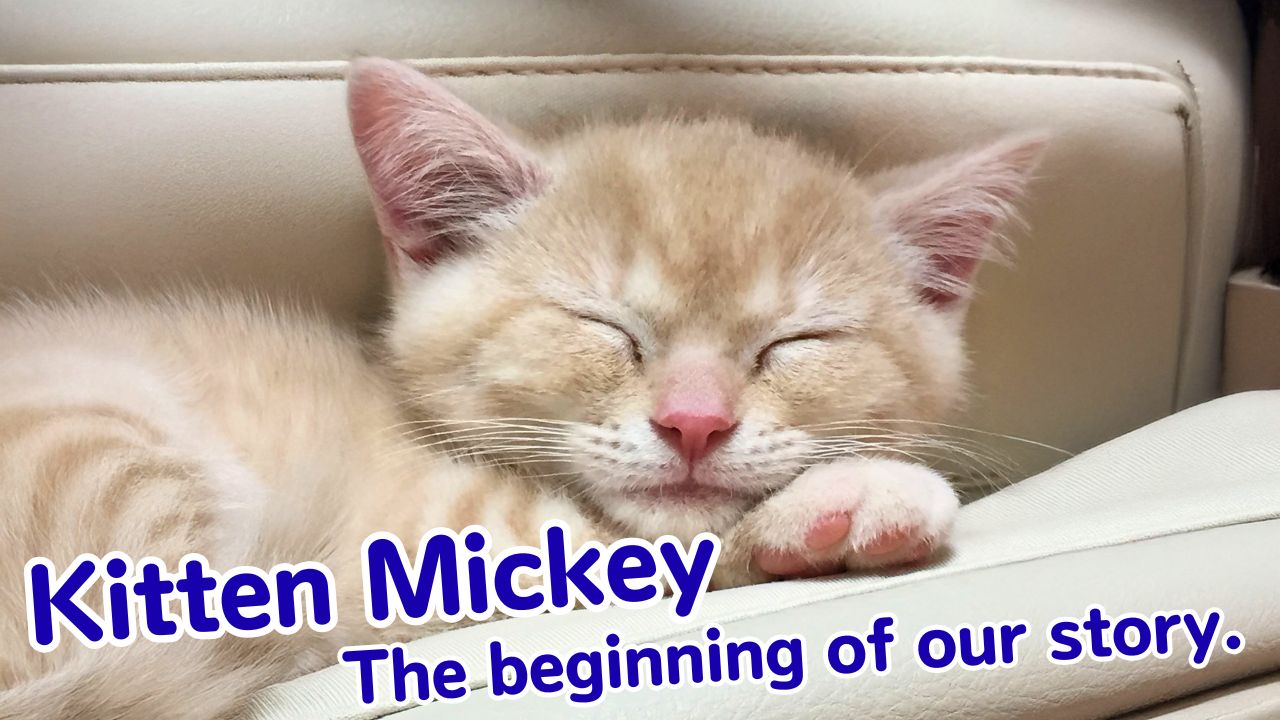
This is a personal record of my life with my cat, Mickey, who lives with a chronic illness.
The English version is translated with the help of AI tools, with care and love.
This post was originally published on June 8, 2025.
A Small but Concerning Change
Recently, we noticed that Mickey’s weight had been slowly decreasing.
It wasn’t a dramatic drop, but for a cat living with kidney disease, even small changes can feel alarming.
We carefully reviewed his meals, hydration, and daily routine.
And then we realized something important:
his activity level had quietly declined.
Why “Play” Matters for Cats with Kidney Disease
For cats with chronic illness, exercise doesn’t mean intense movement.
It means gentle stimulation, light muscle use, and mental engagement.
Play helps to:
- Maintain muscle mass
- Support appetite
- Improve circulation
- Lift mood and motivation
In other words, play is part of healthcare.
Finding the Right Kind of Play
We didn’t push Mickey or force him to move.
Instead, we focused on short, enjoyable play sessions that matched his pace.
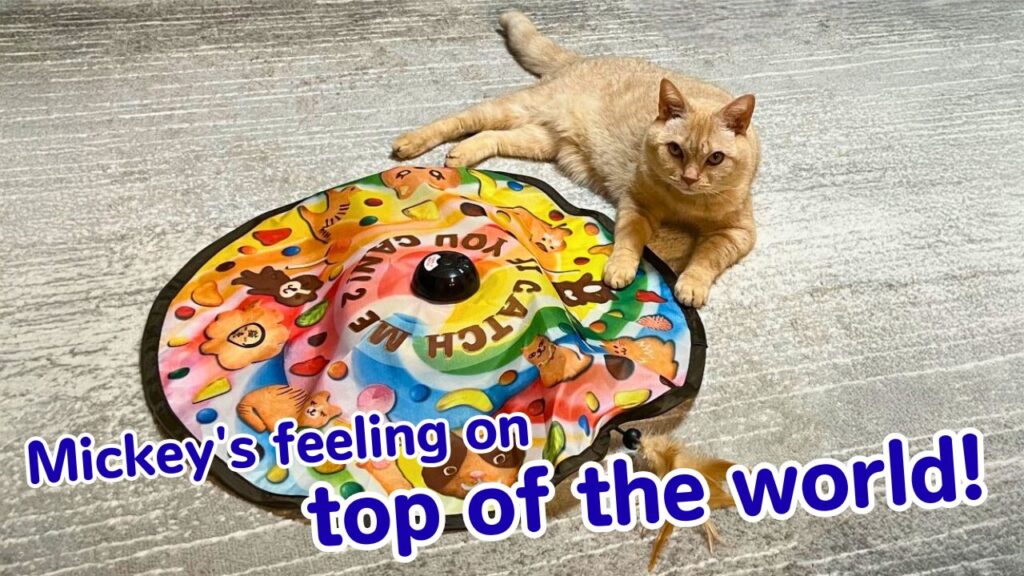
A feather toy swaying slowly.
A string moving just enough to spark curiosity.
Moments where Mickey chose to engage — and moments where he chose to rest.
Respecting his rhythm became the most important rule.
Small Movements, Meaningful Changes
At first, the changes were subtle.
A few steps forward.
A short paw stretch.
A gentle pounce followed by a proud look.
But over time, those small movements added up.
Mickey began to show more interest in play, and his weight finally stopped declining.
Seeing that brought us quiet relief.
Caring Through Everyday Joy
We were reminded that health care isn’t always about medicine alone.
Sometimes, it’s about sharing small moments of joy, even on difficult days.
For Mickey, play is not just play.
It’s a way to stay connected to his body, his curiosity, and his will to live.
And for us, it’s a way to say:
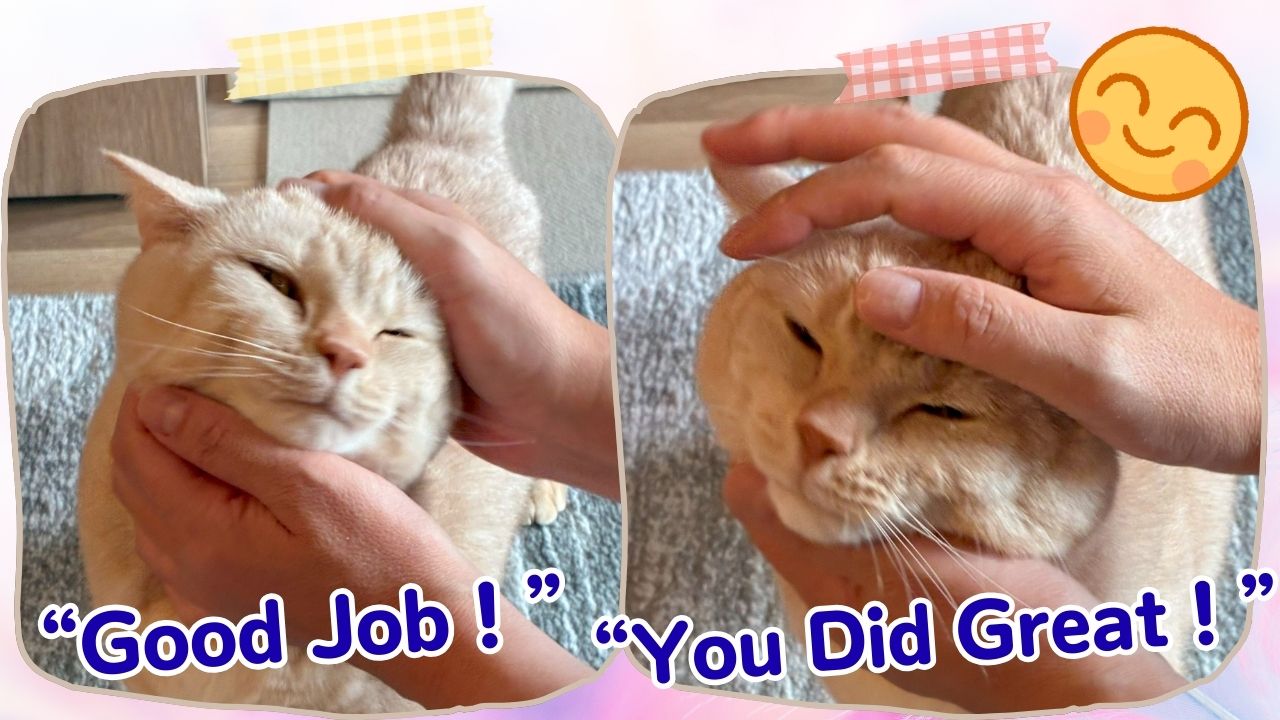
“We’re here with you. Let’s keep going together.”
コメント